Nasdaq in Press Releases: Unpacking Its Software Recovery Link
The phrase “Nasdaq software recovery” might initially seem enigmatic. Nasdaq is synonymous with the world’s leading technology stocks and an epicenter for innovation, while “software recovery” often conjures images of salvaging lost data or restoring system functionality after a crash. When these two terms converge, especially within the context of press releases, a deeper, more nuanced narrative emerges. It’s not just about restoring files; it's about the resilience of entire industries, the strategic pivots of tech giants, and the vital role software plays in navigating economic fluctuations and operational challenges. This article aims to unpack this compelling link, exploring the multifaceted meaning of "software recovery" as it relates to Nasdaq-listed entities and their public communications.Decoding "Nasdaq Software Recovery": More Than Just Data Restoration
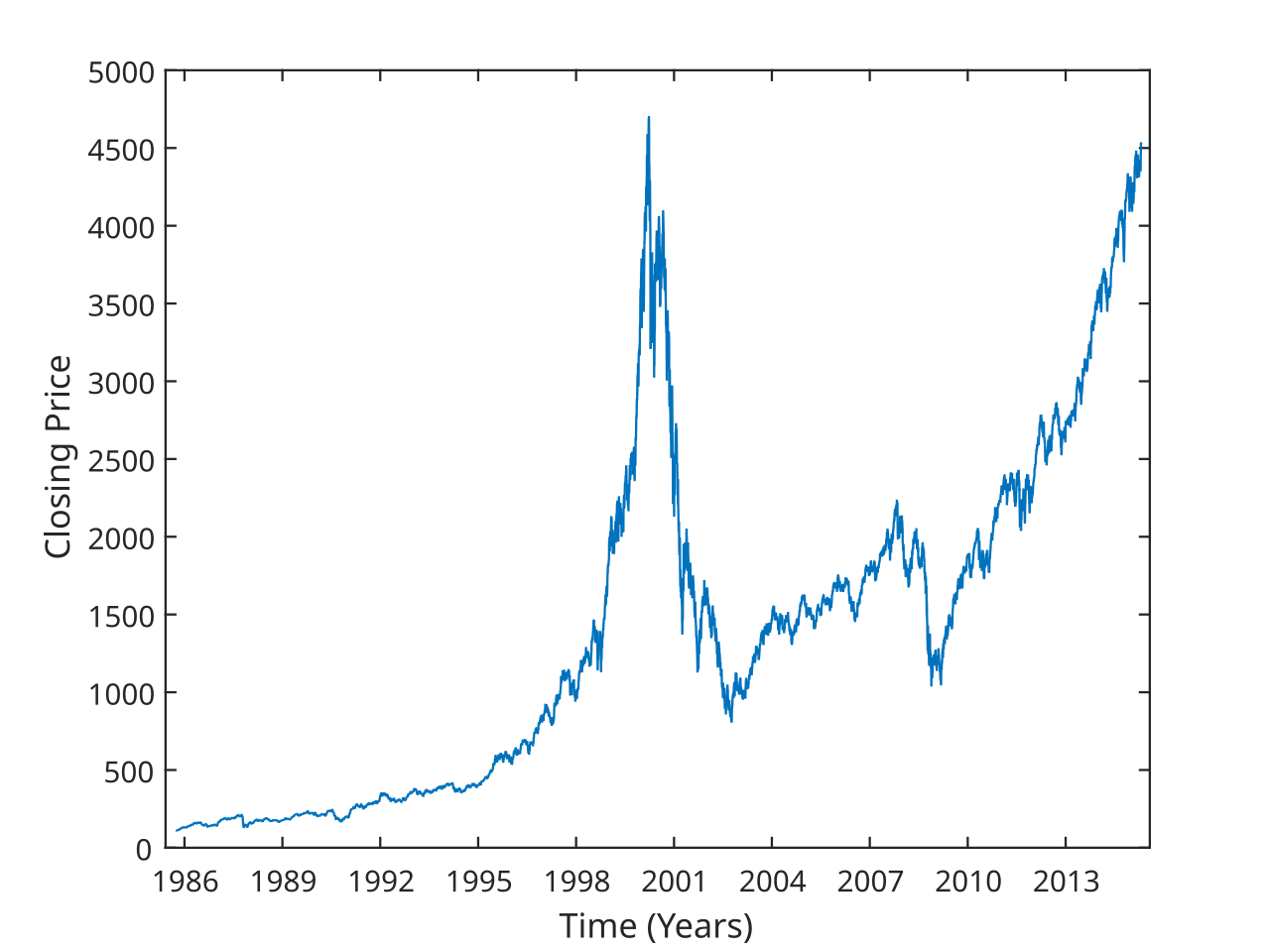
To truly understand "Nasdaq software recovery," we must expand our definition of "recovery" beyond its most literal sense. While data restoration software is undoubtedly a critical component of any business's resilience strategy, the context of Nasdaq brings several broader interpretations to the forefront:- Market and Financial Recovery: For many, "software recovery" on Nasdaq refers to the rebound of the technology sector or specific software companies listed on the exchange. After periods of market downturns, economic instability, or sector-specific challenges, press releases from these companies often highlight renewed growth, improved earnings, and strategic initiatives designed to restore investor confidence and market value. This financial recovery is often driven by innovation, market adaptation, and robust business models inherent to the software industry.
- Operational Resilience and Business Continuity: Beyond financial metrics, "recovery" also pertains to a company's ability to withstand and bounce back from operational disruptions. This includes cybersecurity breaches, system failures, supply chain interruptions, or even global pandemics. Software solutions – ranging from cloud-based infrastructure to enterprise resource planning (ERP) systems, and indeed, data backup and recovery tools – are fundamental to maintaining business continuity and enabling rapid operational recovery. Press releases might announce new software partnerships, improved security protocols, or successful implementation of resilience strategies.
- Product and Service Evolution: In a rapidly changing technological landscape, "recovery" can also signify a company's ability to revitalize its product offerings or market positioning. This might involve pivoting to new market segments, acquiring complementary technologies, or launching innovative software solutions that help *other* businesses achieve their own forms of recovery. Software development cycles are incredibly dynamic, and a "recovery" here could mean regaining market share or relevance through superior products.
The Intersection of Press Releases and Software's Role in Recovery
Press releases serve as critical communication tools for Nasdaq-listed companies, providing updates to investors, stakeholders, and the public. When the theme of "recovery" emerges in these announcements, software invariably plays a starring role, whether directly or indirectly. A press release announcing a software company's return to profitability after a challenging quarter showcases financial recovery. This might be attributed to new software subscriptions, successful market expansion, or efficiency gains enabled by their own internal software systems. Similarly, a release from a manufacturing company (perhaps a Nasdaq-listed industrial tech firm) discussing how it mitigated supply chain disruptions post-pandemic might highlight the crucial role of its proprietary logistics software or AI-driven predictive analytics. Moreover, the software industry itself is constantly innovating to provide recovery solutions. Consider companies developing advanced cybersecurity software that protects against ransomware attacks – preventing the need for costly data recovery. Or firms specializing in disaster recovery as a service (DRaaS) that enable businesses to restore critical operations within minutes of an outage. Press releases from these specialized software vendors often detail success stories, new product features, or strategic partnerships that underscore their contribution to business resilience. It's also important to consider the strategic language within press releases. Keywords like "resilience," "business continuity," "digital transformation," and "optimization" are often proxies for underlying software-driven recovery initiatives. These announcements are designed to instill confidence, signal future growth, and reflect the company's proactive stance in a volatile market environment.Software as a Catalyst for Business Resilience and Market Upswings
The inherent flexibility and scalability of software make it an unparalleled catalyst for business resilience and, consequently, for market upswings reflected on the Nasdaq. From small startups to multinational corporations, every entity today relies on software to manage operations, engage customers, and analyze performance. Think about the various categories of software that contribute to a company's ability to recover and thrive:- Data Management & Recovery Software: At the foundational level, robust data backup, archiving, and recovery solutions are non-negotiable. Losing critical data due to hardware failure, human error, or cyber-attack can cripple a business. Software that automates backups, provides rapid restoration capabilities, and ensures data integrity is paramount.
- Cybersecurity Software: Prevention is often the best form of recovery. Advanced cybersecurity platforms protect against threats that could lead to data loss, system downtime, and reputational damage. Companies investing in leading-edge security software are actively building resilience.
- Business Intelligence & Analytics Software: To recover effectively, businesses need to understand what went wrong and how to course-correct. BI and analytics tools provide insights into operational inefficiencies, market shifts, and customer behavior, enabling data-driven decisions that steer recovery efforts.
- Cloud Computing & SaaS: The shift to cloud-based software-as-a-service (SaaS) models has significantly enhanced recovery capabilities. Cloud infrastructure offers inherent redundancy, scalability, and accessibility, allowing businesses to operate and recover from virtually anywhere. Many Nasdaq-listed software companies are leaders in this space.
- ERP & CRM Systems: Integrated enterprise resource planning (ERP) and customer relationship management (CRM) software streamline core business processes. By optimizing operations and enhancing customer relationships, these systems contribute to overall business health, making companies more robust and quicker to recover from setbacks.
Navigating the Recovery Landscape: Tips for Investors and Businesses
Understanding the multifaceted nature of "Nasdaq software recovery" offers valuable insights for both investors and businesses.For Investors Tracking Nasdaq:
When analyzing press releases from Nasdaq-listed companies, especially software firms, look beyond surface-level announcements. Consider:
- Strategic Resilience: Does the company's press release outline investments in robust cybersecurity, disaster recovery, or cloud infrastructure? These indicate a proactive approach to operational resilience.
- Innovation in Recovery Solutions: Is the company announcing new software products or services designed to help other businesses recover or become more resilient? This can signal strong future revenue streams.
- Financial Indicators: For financial recovery, pay close attention to revenue growth, profitability, new contract wins, and market share expansion. These are often indicators of a successful turnaround for software companies.
- Leadership Commentary: What are CEOs and CFOs saying about market conditions, competitive advantages, and future growth strategies? Their tone and substance often reveal the underlying health and recovery trajectory.
For Businesses Seeking Recovery and Resilience:
Regardless of whether your company is listed on Nasdaq, the principles of software-driven recovery are universally applicable:
- Invest in Robust Data Recovery: Prioritize reliable data backup and recovery solutions. Losing data can be catastrophic. Proactive measures, including regular testing of recovery plans, are crucial.
- Prioritize Cybersecurity: Implement comprehensive cybersecurity measures to prevent breaches. A strong security posture minimizes the need for costly and time-consuming recovery efforts.
- Leverage Analytics: Use business intelligence software to gain insights into performance gaps and opportunities. Data-driven decisions are key to effective recovery strategies.
- Embrace Cloud Solutions: Cloud-based software offers flexibility, scalability, and often superior disaster recovery capabilities compared to on-premise systems.
- Stay Informed: Keep abreast of the latest software innovations. The tools available for resilience and recovery are constantly evolving.
While the initial search for "Nasdaq software recovery" might not lead to a single product, it opens the door to understanding the profound impact of software across various recovery dimensions. For those specifically interested in practical tools for data recovery, it’s beneficial to explore dedicated solutions. You can learn more about specific offerings and their benefits by reading Beyond Nasdaq: Discovering SanDisk & Aidfile Recovery Tools, which delves into specialized data recovery software.